
Sort By Topic
Sort By Category

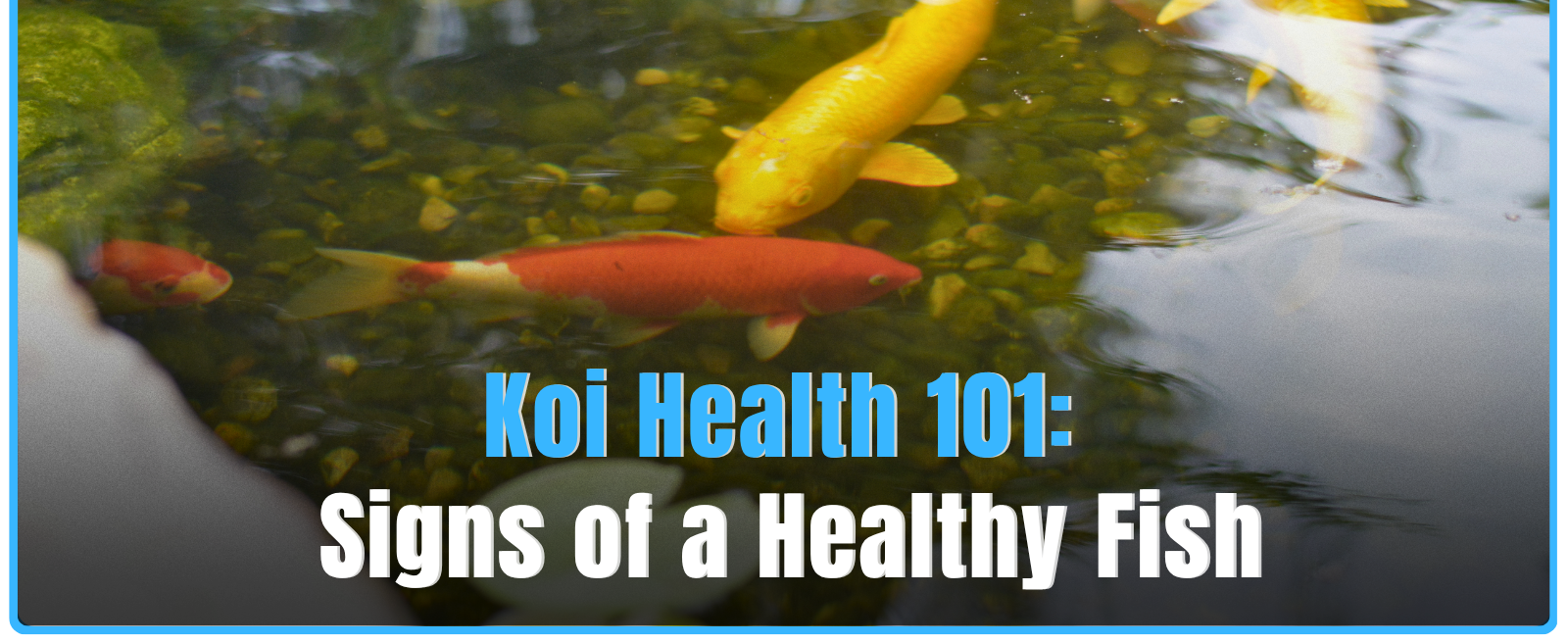
One of the things I love most about koi is how expressive they are.
If you spend time with your fish and I mean really spend time, not just walk past and glance — you start to learn who they are. You learn their personalities. You learn their feeding patterns. You learn which ones are bold and which ones are shy.
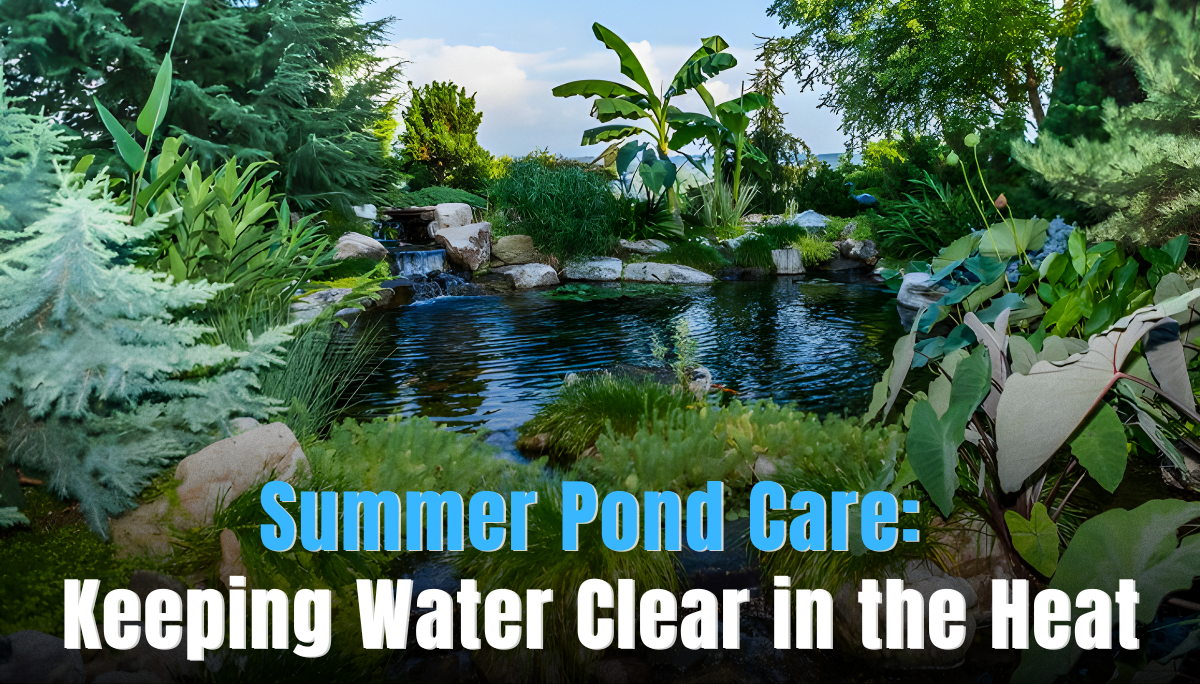
Guys, summer is when I get the most phone calls.
"My pond turned green." "My fish are gasping at the surface." "There's foam everywhere." "The waterfall looks brown."
Summer is a stress test for your pond. And if your system isn't balanced going into the hot months, the heat will expose every weakness.
The good news? If you know what's happening and why, almost all of it is manageable.
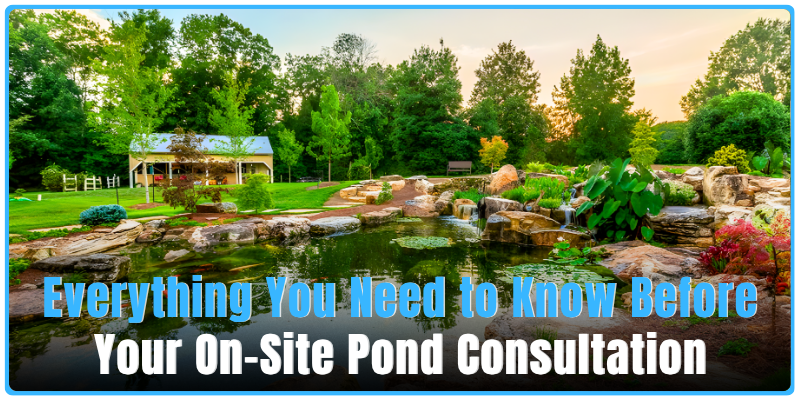
You've already decided you want a pond. You've done your homework. You've had a conversation with someone on our team. You know what you want. You have a general idea of where it's going to go. You've talked about budget. You've already agreed to have Tristan or someone from our team come out for a paid on-site consultation.
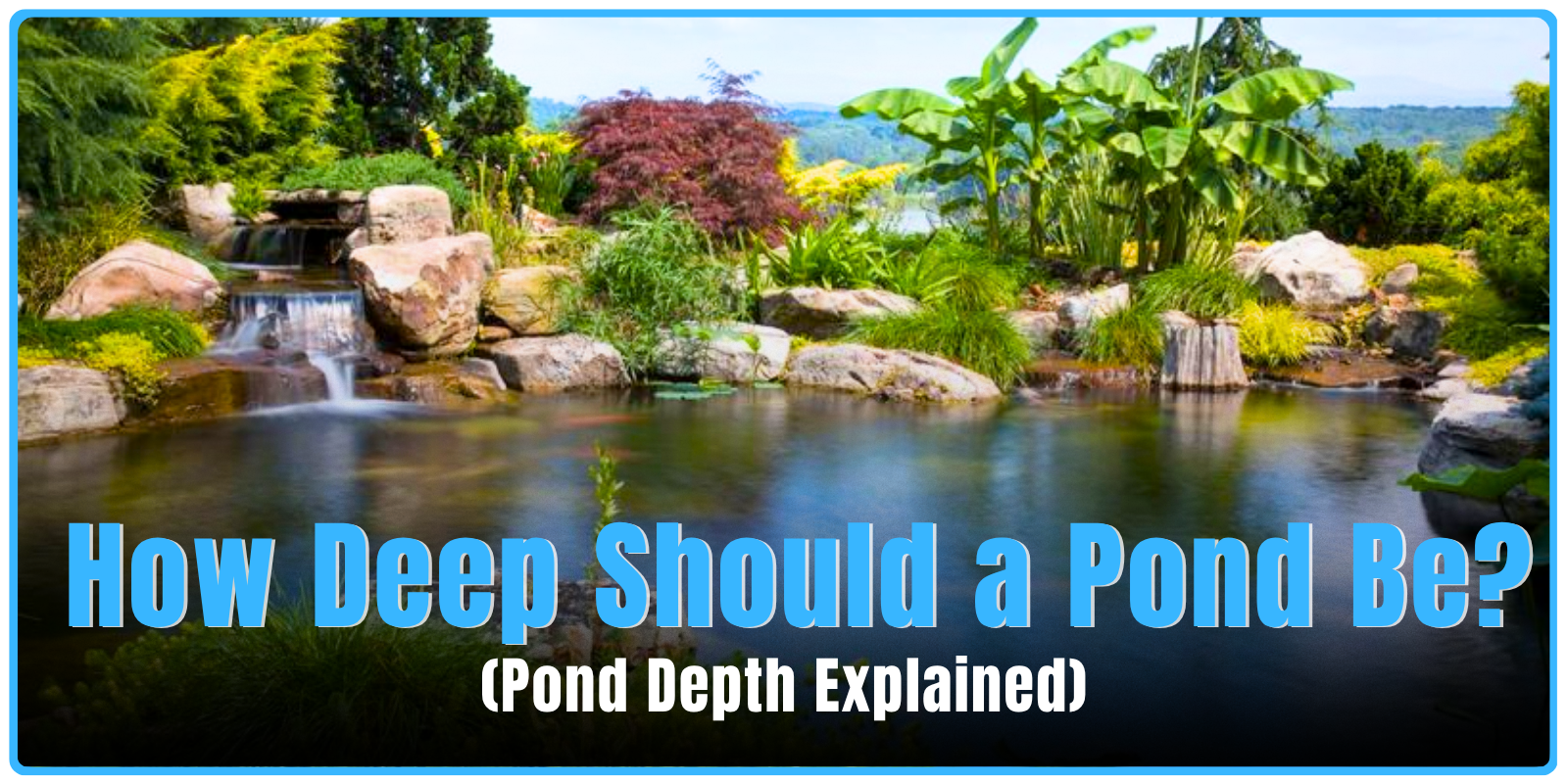
People chase the “perfect” answer to this question all the time, but the truth is there isn’t one.
As an industry standard, we like to say that an in-ground pond needs to be at least two feet deep. That’s our minimum as professionals.
Is it a rule? No, it’s not a rule. I’ve seen plenty of homeowners dig ponds shallower than that. I just don’t consider that to be a professional installation.
Are you wondering what would happen if you didn’t do routine maintenance on your water feature?
Here’s the truth:
Maintenance isn’t optional if you want your pond to perform the way it’s supposed to.
Now—does that mean you’re going to be out there every day working on your pond?
Guys, this is one of the questions I get asked all the time.
And honestly? It's a great question.
Because the answer isn't as simple as most people think.
Let's break it down, the real differences, the real trade-offs, and how to figure out which one actually belongs in your pond.
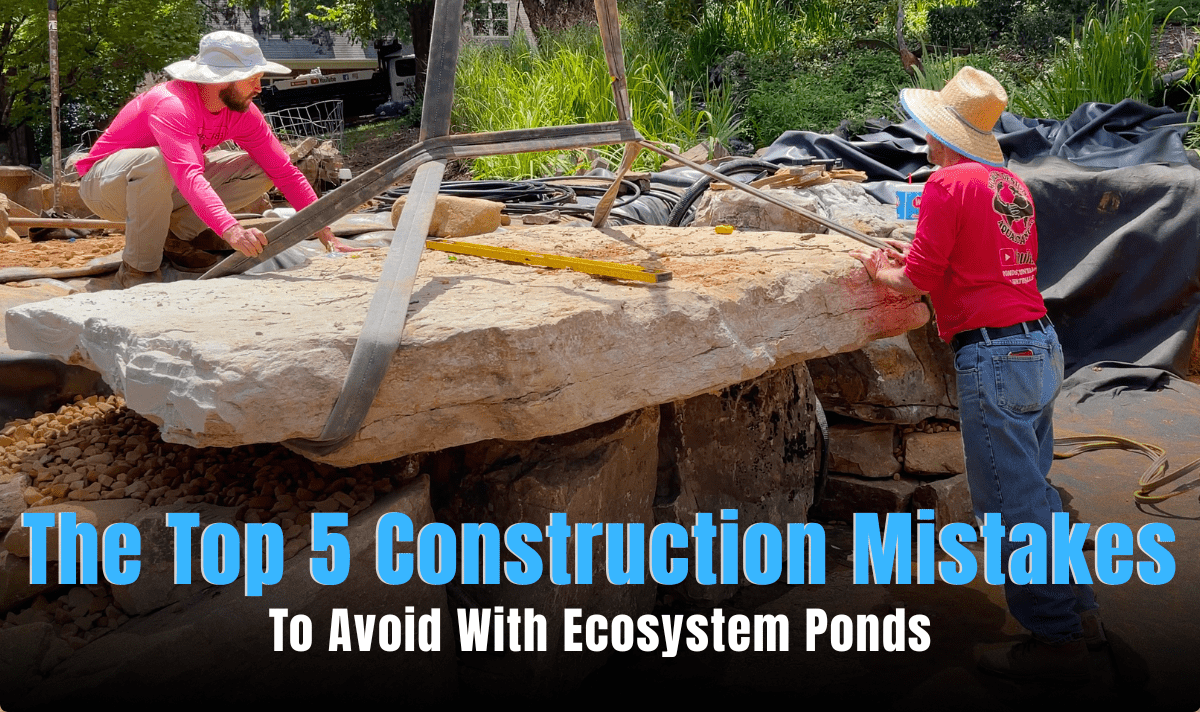
After building ecosystem ponds for decades, these are the five construction mistakes I see over and over again — from homeowners and professionals alike.
People often tell me that they want to have an ecosystem pond, and then they’ll say something like, “But I want to skip the fish,” or “I want to skip the plants.”
That’s sort of like saying, “I want to have a digestive tract, but I want to leave out the stomach or the intestines.” LOL
An ecosystem pond is very simple. The reality is, I have a statement that sums it all up in a nutshell: You’re trying to recreate Mother Nature with an ecosystem pond.
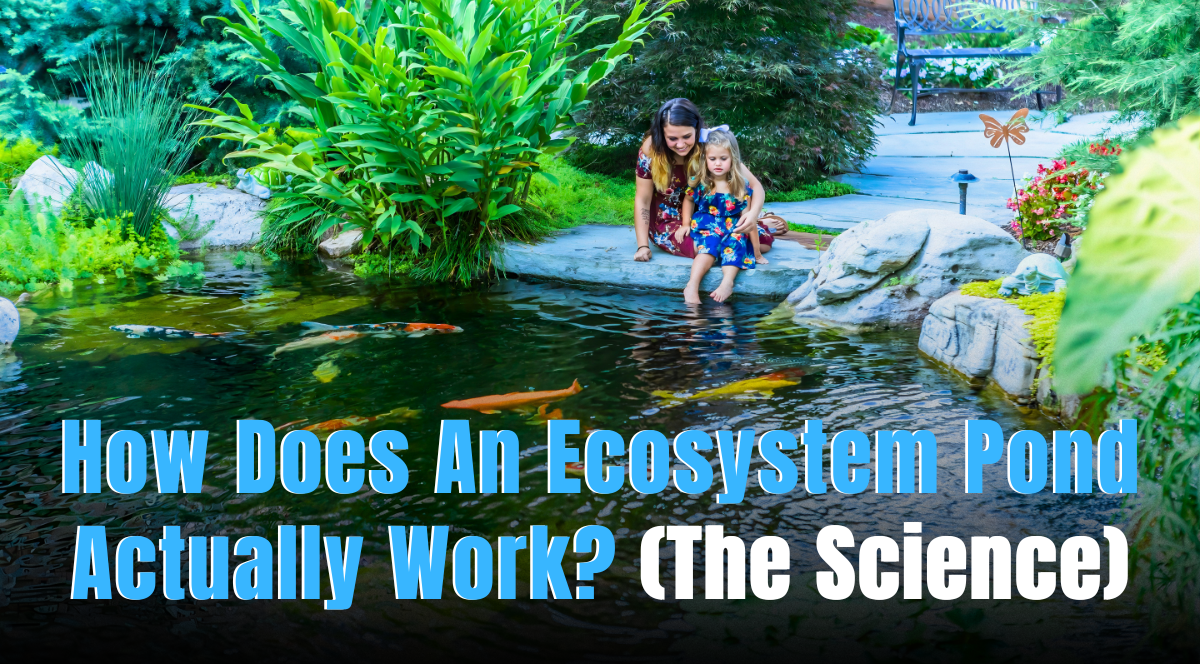
After having water features in my life for decades, I’m pretty confident that the idea of a completely maintenance-free, hands-off ecosystem pond is mostly a myth.
Could it happen? Maybe. But it’s highly unlikely.
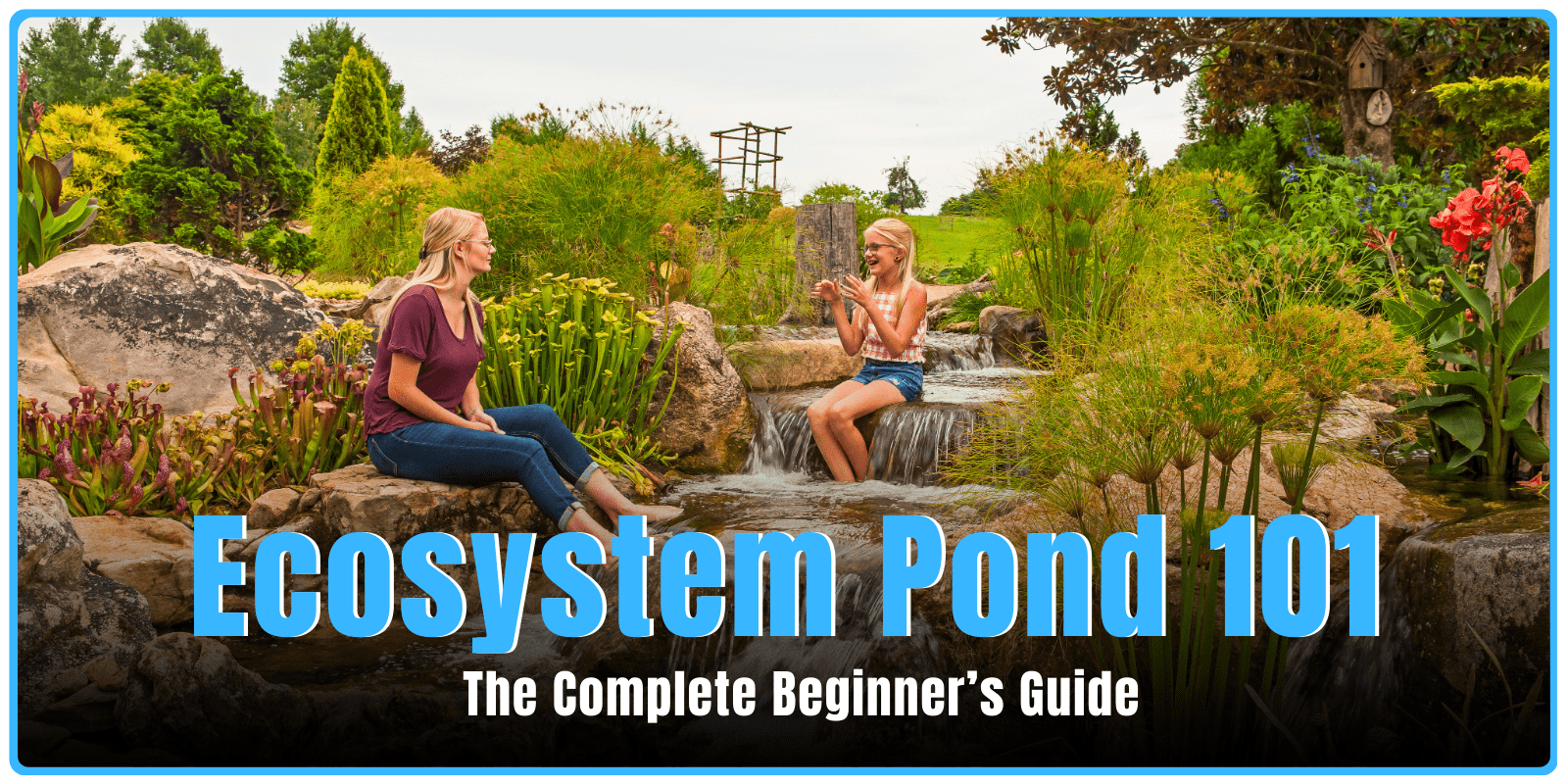
I’ve been building ecosystem ponds professionally for over 25 years, and this is where I think every beginner should start.
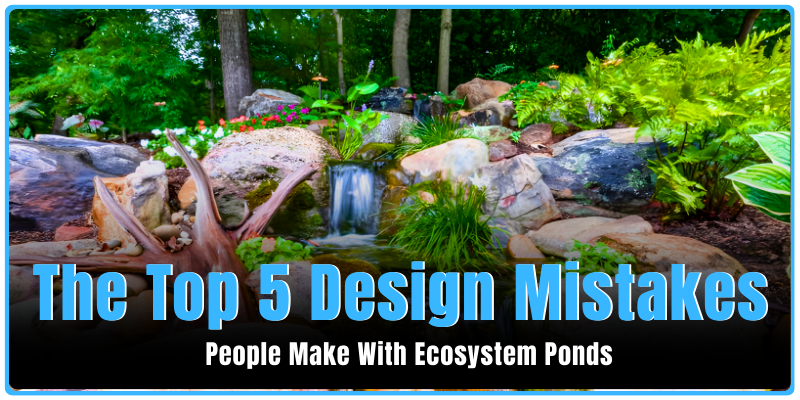
After more than 25 years of building water features, here are the five biggest design mistakes I’ve seen people make.
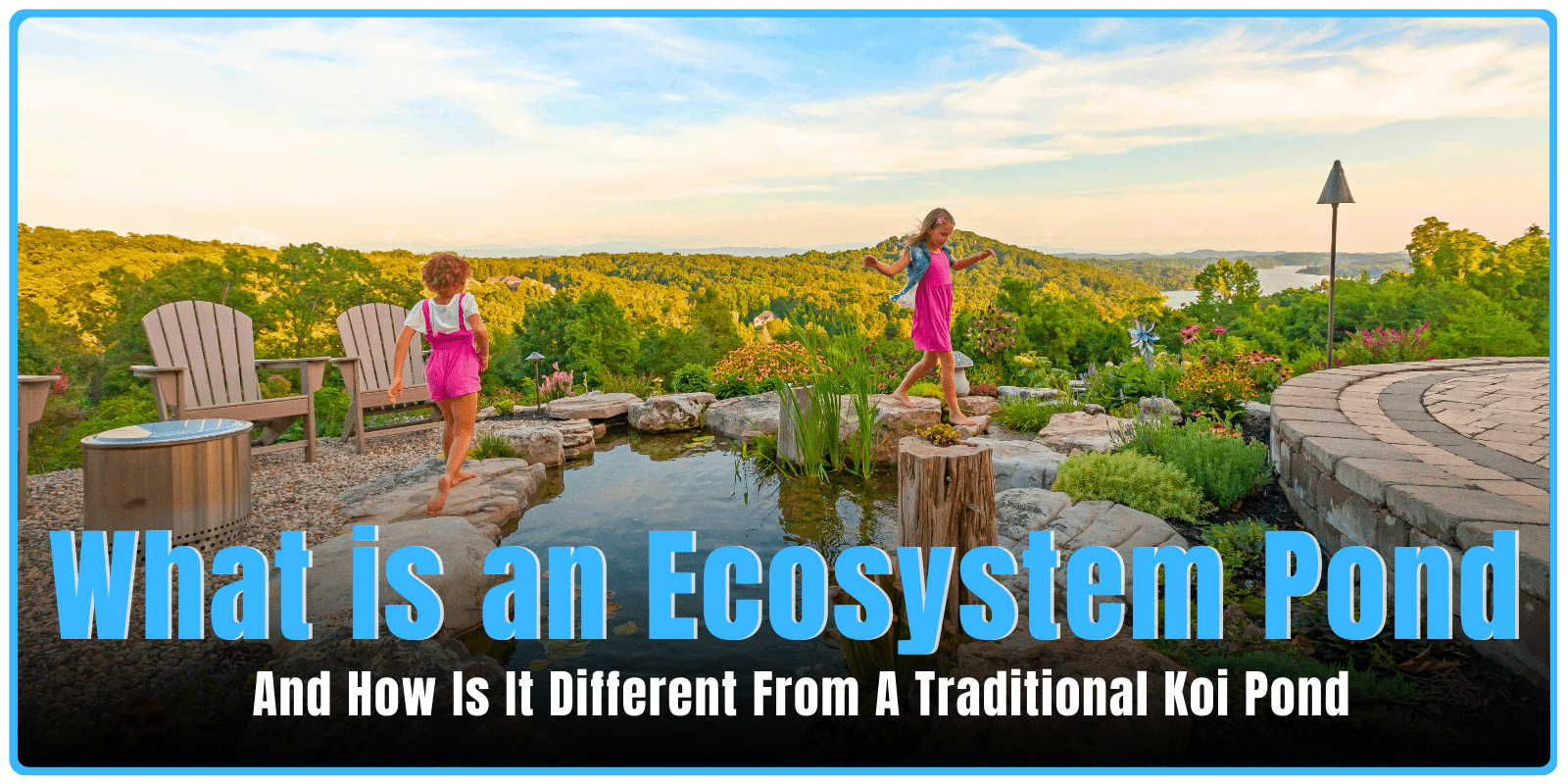
An ecosystem pond is a natural-style water feature designed to mimic how water stays clean in nature. It uses rocks, gravel, aquatic plants, fish, and beneficial bacteria to create balance — instead of functioning like an outdoor aquarium built primarily for raising show koi.
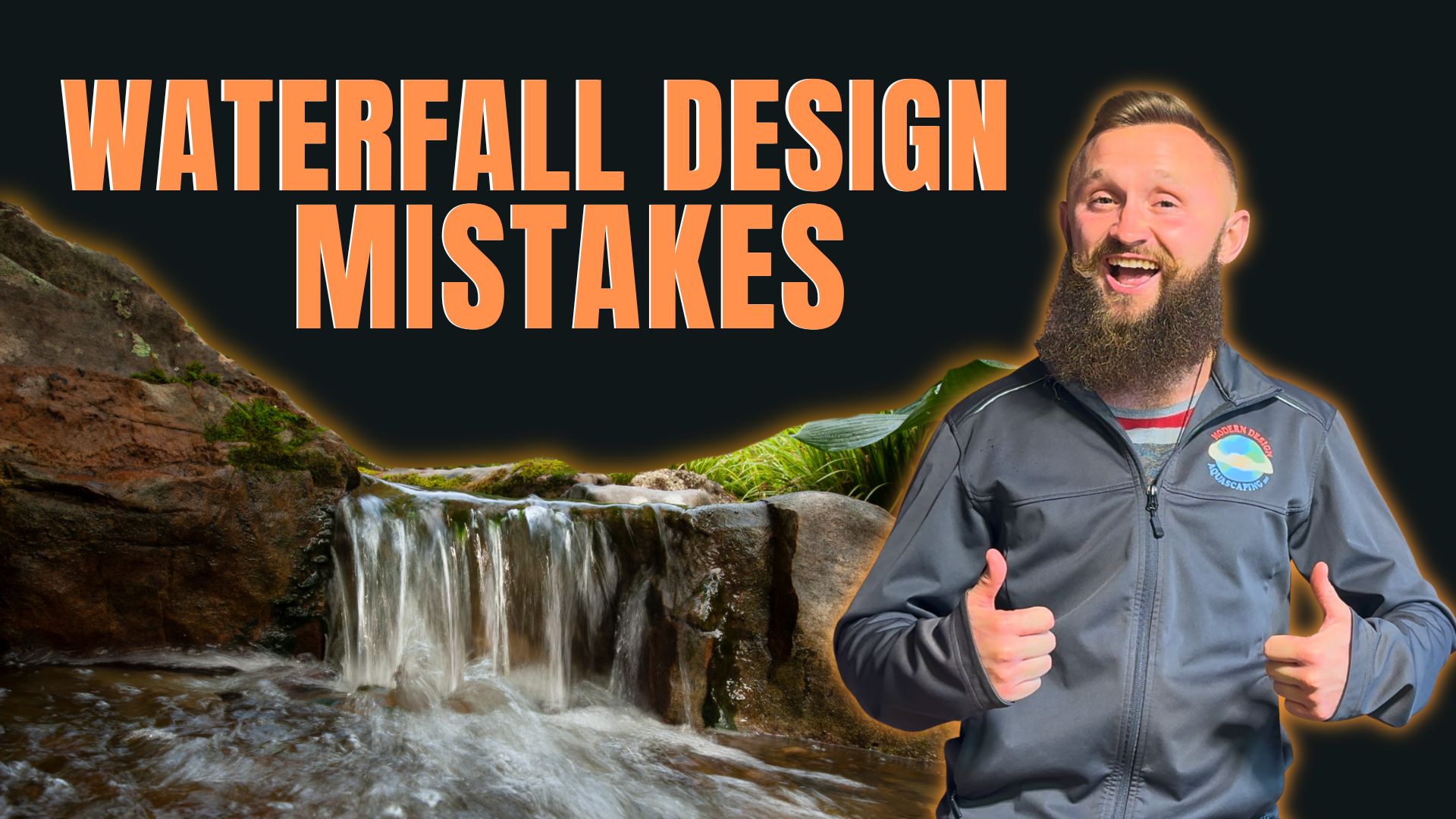
What if you built a waterfall and regretted it? Whether it's your first water feature or you've built several before, the last thing anyone wants is to rip it out and start over because of avoidable "I wish I would have" moments. At Modern Design Aquascaping, we've spent over 30 years refining our design process to eliminate regrets—so you end up with a waterfall you'll love for decades to come.

If you're already hiring a full-service landscaping company to handle your outdoor living space, why would you bring in a specialist just for the water feature? Shouldn't you just let the other company handle it all? It's a fair question—and in this post, we're sharing a real project that answers it perfectly.

Having a water feature is a lifestyle.
But over time, the awesomeness factor that you once felt can start to fade. Not because your feature is falling apart, but because your dream is getting bigger. Your vision of what’s possible has expanded.
In this article, we’re going to walk through what it looks like to scratch that itch—whether that means simply knocking the dust off and giving it a fresh coat of paint, improving the functionality of your water feature so it’s less work and more play, or going full nuclear and tearing it out to build the next dream from the ground up.
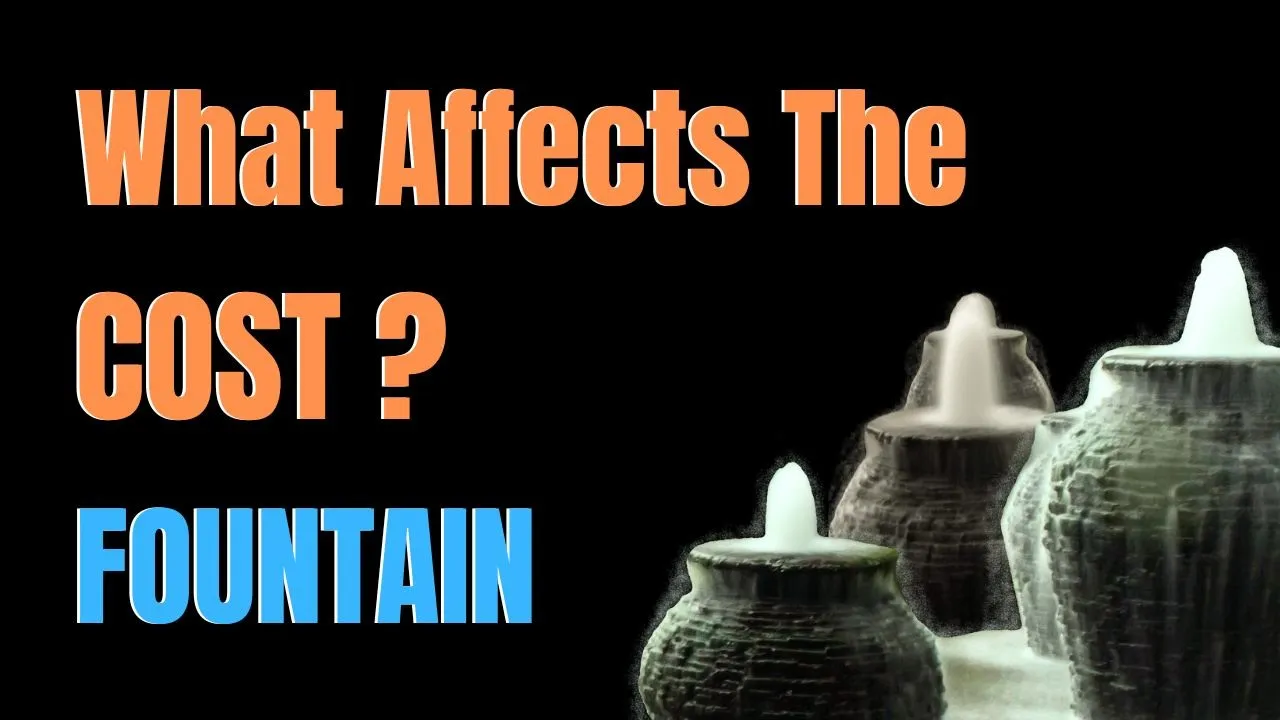
Are you thinking a fountain might be the right choice for your space, but you’re not sure what it’s going to cost—or even what your options are? You’re not alone. For most people, fountains look like a simple project on the surface… until they start researching and realize how many directions it can go. One of my favorite sayings is, “It sounds easy if you say it fast!”

In this article, we\'re going to put together as much transparent information as we possibly can so you can develop a comprehensive understanding of waterfall costs & options. We\'re going to break down what drives the cost of a waterfall up—and where you might be able to trim some fat. We\'ll dig into what makes some companies so expensive while other companies are just flat-out cheap. We will share links to value-based content like \"How To Choose The Right Contractor For Your Waterfall Project\", \"How To Select The Perfect Water Feature For You\", and more! This journey is all about you getting your dream waterfall on your terms!

Are you thinking about adding a custom pond, waterfall, or fountain to your property in East Tennessee? Have you been looking at Modern Design Aquascaping as a potential option… and Perennial Ponds as another? Not sure which one of us is the right fit for your project?
Let's clear that up.
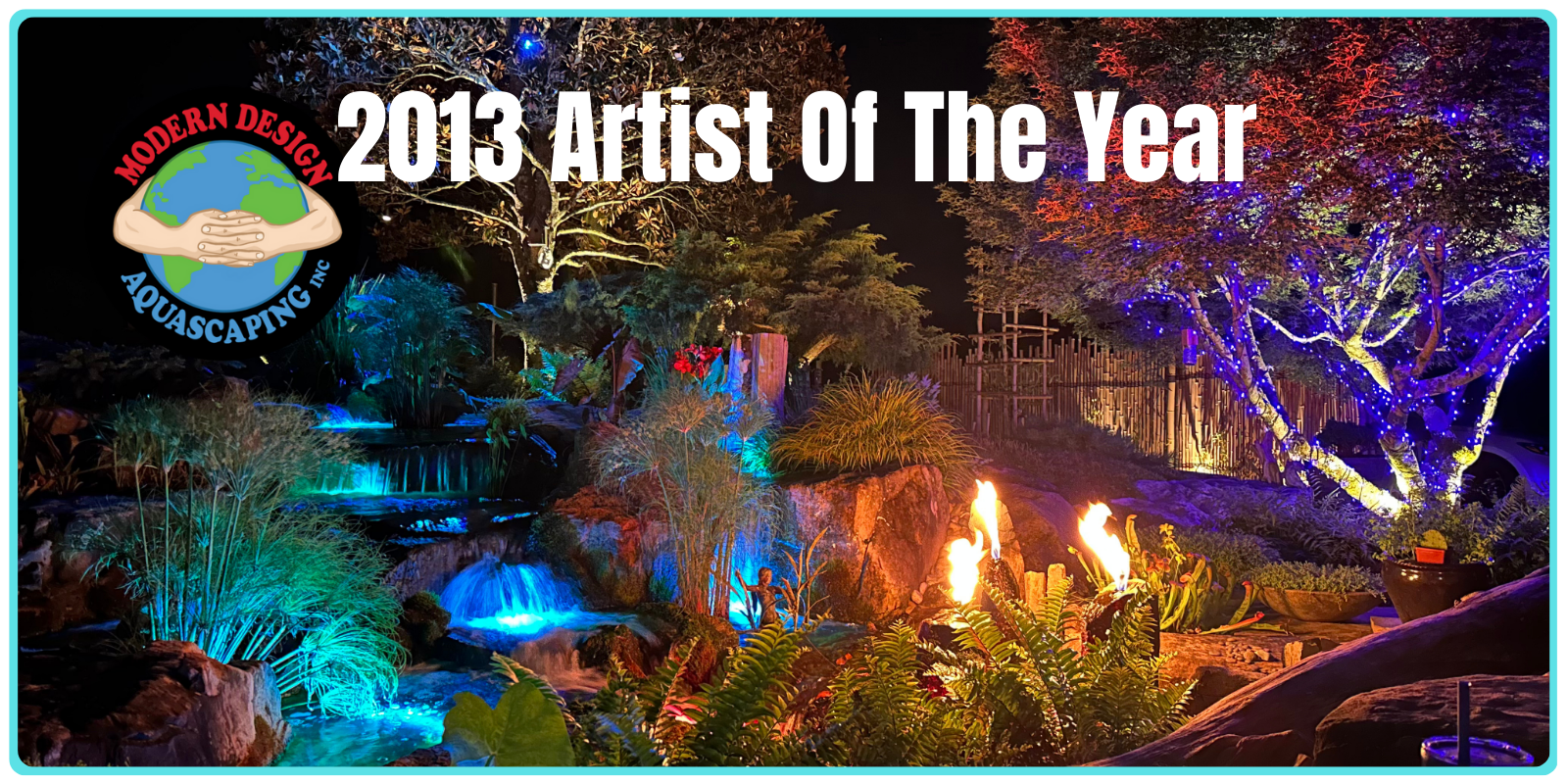
We didn't apply. We didn't even know we were being considered. But one unforgettable project changed everything. This is the real story of how we became Artist of the Year — and what it means today.
In 2013, we were named Artist of the Year by Aquascape— the highest honor in the world of water feature artistry.
But we didn't apply. We didn't submit. We didn't even know we were being considered.
A vendor visited one of our builds, had their mind blown, and told someone at Aquascape. That person dug through our portfolio — and what they found spoke for itself.

“I was with a client the other day, and his wife told me that he was absolutely shocked at what it took to maintain his water feature after it was completed. I thought to myself: “Holy cow, what a great idea for an article!”
We are going to cover everything you need to know about costs associated with owning and maintaining a water feature AFTER YOU’VE BOUGHT IT so you have a crystal-clear understanding of what it takes—in sweat equity and-or in dollars—to maintain and keep your water feature running optimally. Because I like all surprises to be good surprises.