John G. Adams is the founder of
Modern Design Aquascaping Inc. and widely regarded as one of the most respected and artistic minds in the water feature industry. With over three decades of experience building ponds, fountains, and waterfalls across the United States and around the world — including Canada, the U.K., South America, and multiple trips to Africa with the Aquascape Foundation — John has earned a reputation for precision, passion, and an eye for the little things that take time… but make all the difference.
Although his sons now lead most of the construction at Modern Design, John has shifted his focus toward educating and inspiring others. He dedicates his time to creating powerful social media content, mentoring up-and-coming artists, working with nonprofit projects, and soaking in life with his eight grandchildren. His YouTube channel,
Modern Design Aquascaping, has over
53,000 subscribers, serving as a free, ever-growing resource for anyone who wants to learn about ponds, fountains, and waterfalls.
Whether you've stumbled on one of his videos, met him on a job site, or are just discovering his work now — his mission remains the same:
"to educate and inspire the world about ponds and water features" by helping people connect- with nature, with each other, and with themselves!
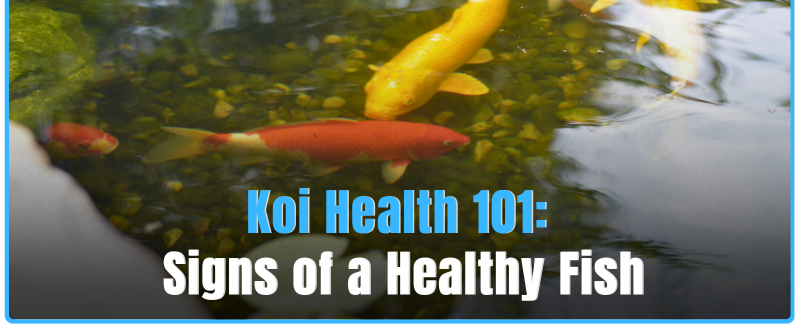
One of the things I love most about koi is how expressive they are.
If you spend time with your fish and I mean really spend time, not just walk past and glance — you start to learn who they are. You learn their personalities. You learn their feeding patterns. You learn which ones are bold and which ones are shy.
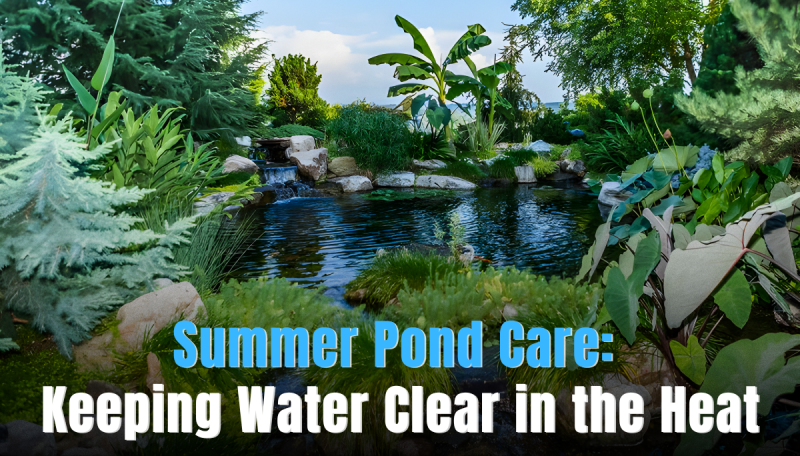
Guys, summer is when I get the most phone calls.
“My pond turned green.” “My fish are gasping at the surface.” “There’s foam everywhere.” “The waterfall looks brown.”
Summer is a stress test for your pond. And if your system isn’t balanced going into the hot months, the heat will expose every weakness.
The good news? If you know what’s happening and why, almost all of it is manageable.
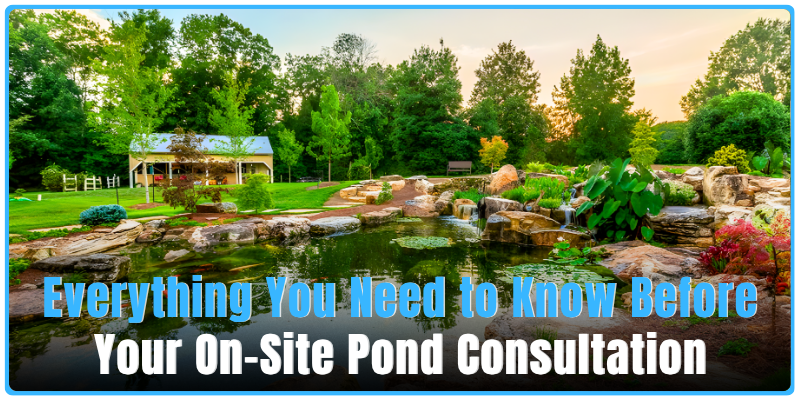
You’ve already decided you want a pond. You’ve done your homework. You’ve had a conversation with someone on our team. You know what you want. You have a general idea of where it’s going to go. You’ve talked about budget. You’ve already agreed to have Tristan or someone from our team come out for a paid on-site consultation.
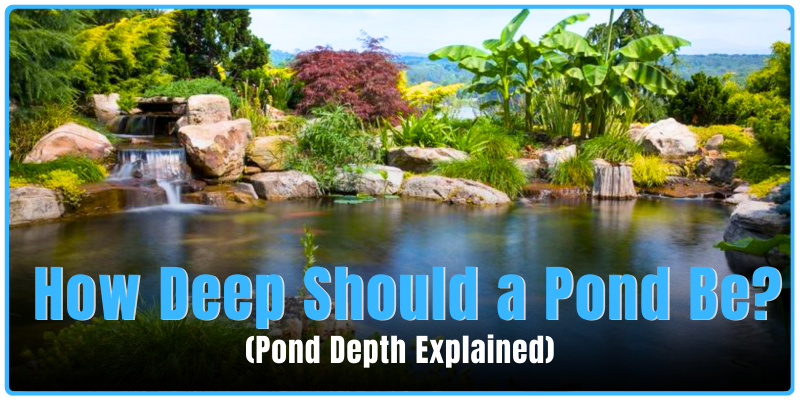
People chase the “perfect” answer to this question all the time, but the truth is there isn’t one.
As an industry standard, we like to say that an in-ground pond needs to be at least two feet deep. That’s our minimum as professionals.
Is it a rule? No, it’s not a rule. I’ve seen plenty of homeowners dig ponds shallower than that. I just don’t consider that to be a professional installation.
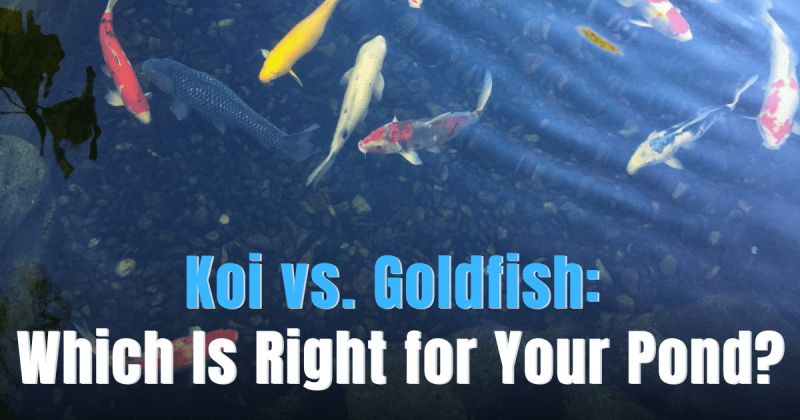
Guys, this is one of the questions I get asked all the time.
And honestly? It’s a great question.
Because the answer isn’t as simple as most people think.
Let’s break it down, the real differences, the real trade-offs, and how to figure out which one actually belongs in your pond.
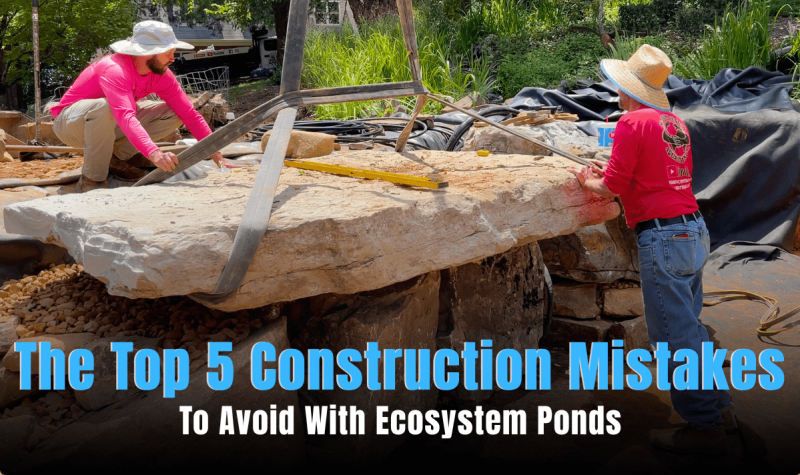
After building ecosystem ponds for decades, these are the five construction mistakes I see over and over again — from homeowners and professionals alike.
People often tell me that they want to have an ecosystem pond, and then they’ll say something like, “But I want to skip the fish,” or “I want to skip the plants.”
That’s sort of like saying, “I want to have a digestive tract, but I want to leave out the stomach or the intestines.” LOL
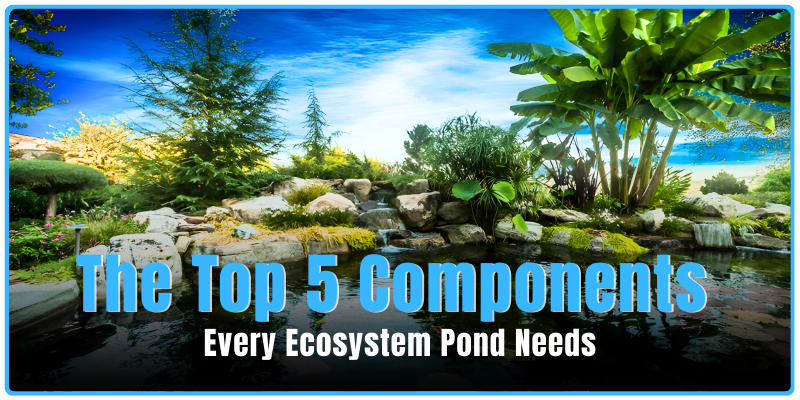
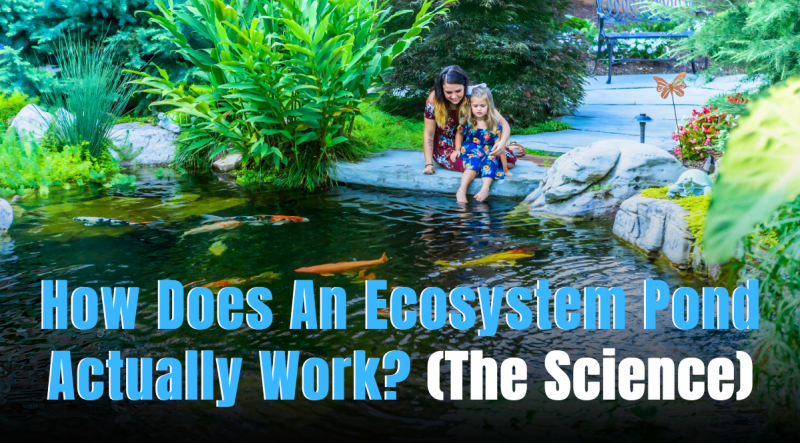
An ecosystem pond is very simple. The reality is, I have a statement that sums it all up in a nutshell: You’re trying to recreate Mother Nature with an ecosystem pond.
After having water features in my life for decades, I’m pretty confident that the idea of a completely maintenance-free, hands-off ecosystem pond is mostly a myth.
Could it happen? Maybe. But it’s highly unlikely.
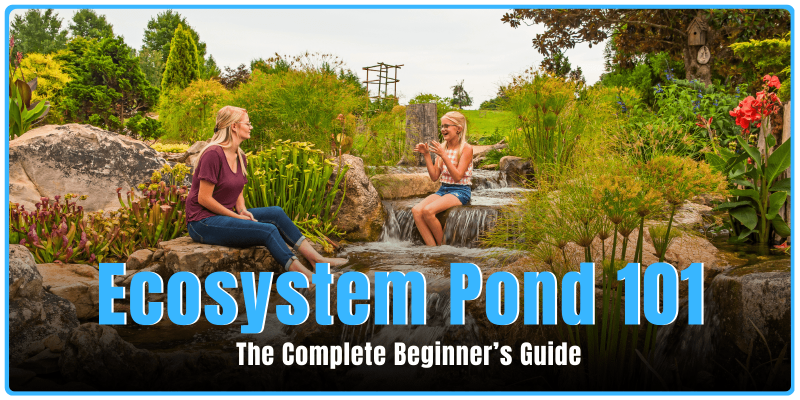
I’ve been building ecosystem ponds professionally for over 25 years, and this is where I think every beginner should start.
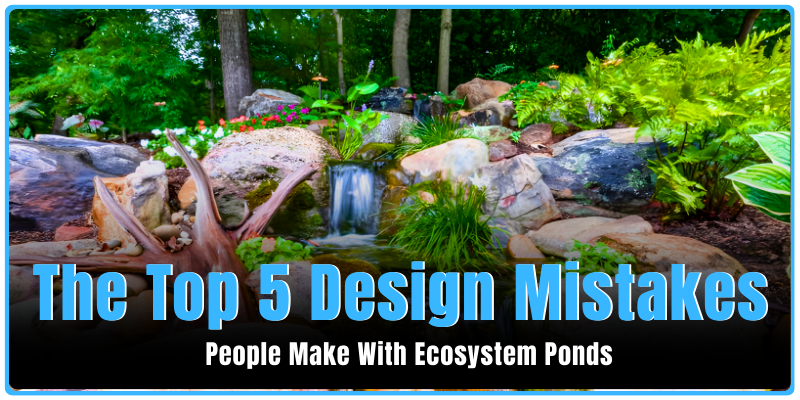
After more than 25 years of building water features, here are the five biggest design mistakes I’ve seen people make.