The 12 Biggest Reasons Maintenance Matters
By the end of this article, you'll clearly understand how maintenance impacts:
- The longevity of your system
- The clarity and quality of your water
- The cost of ownership
- And how much you actually enjoy your pond
If you remember nothing else: you are going to pay for maintenance one way or another. The only decision you get to make is how.
Jump to a Section
- 1. It Minimizes Expensive Emergency Repairs
- 2. It Protects Your Equipment
- 3. It Keeps Your Filtration System Working Properly
- 4. It Maintains Stable Water Quality
- 5. It Keeps Your Water Clear
- 6. It Reduces Algae Growth
- 7. It Prevents Debris Buildup From Getting Out of Control
- 8. It Improves Fish Health
- 9. It Prevents Plant Overgrowth and Blockages
- 10. It Keeps You From Constantly "Fighting" Your Pond
- 11. It Creates Predictable Expenses
- 12. It Increases Your Overall Enjoyment
- Final Thoughts
Are you wondering what would happen if you didn't do routine maintenance on your water feature?
Here's the truth:
Maintenance isn't optional if you want your pond to perform the way it's supposed to.
Now—does that mean you're going to be out there every day working on your pond?
No — but it does mean ignoring it completely is where people get into trouble.
Every system is a little different—but across the board, routine maintenance is what separates a water feature that's enjoyable… from one that becomes frustrating, unpredictable, and expensive.
In this article, we're going to walk through the 12 biggest reasons why maintenance matters.
Let's get into it.
1. It Minimizes Expensive Emergency Repairs

This is the biggest reason.
Routine maintenance is preventative. It stops small issues from turning into major failures.
When neglected, problems don't stay small:
- debris builds up
- components get stressed
- systems start to fail
And when they fail, it's almost always:
- unexpected
- inconvenient
- expensive
Staying ahead of it dramatically reduces those emergency situations.
2. It Protects Your Equipment (Pumps, Lights, Filters)
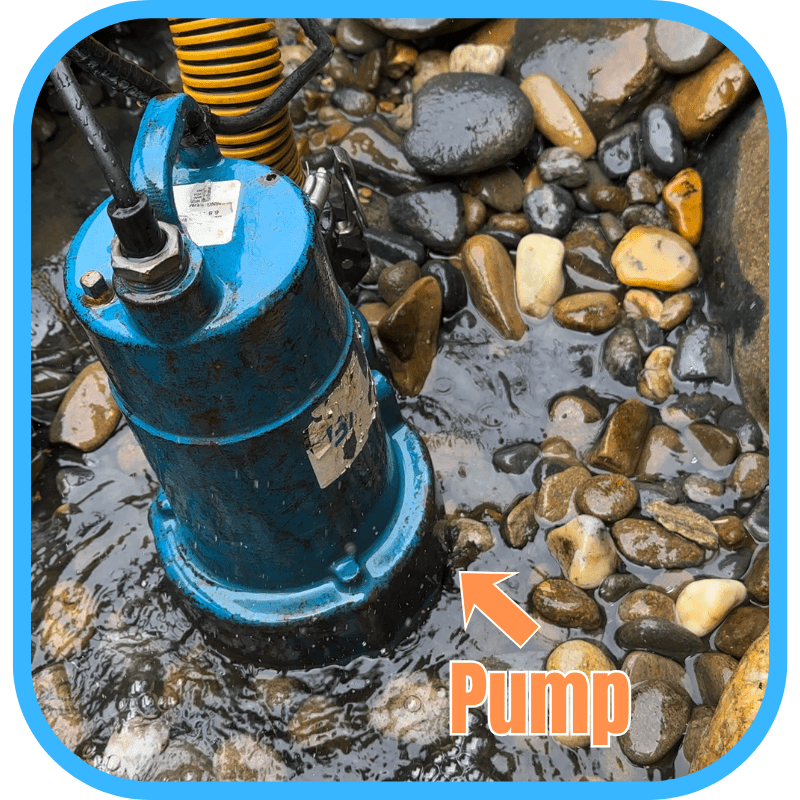
Your water feature has critical components that wear over time.
When debris gets into these systems, it creates strain—and strain shortens lifespan.
Critical components that wear over time:
- pumps
- lights
- filtration systems
Routine cleaning and inspection:
- protects those components
- helps them last longer
- saves you money over time
3. It Keeps Your Filtration System Working Properly
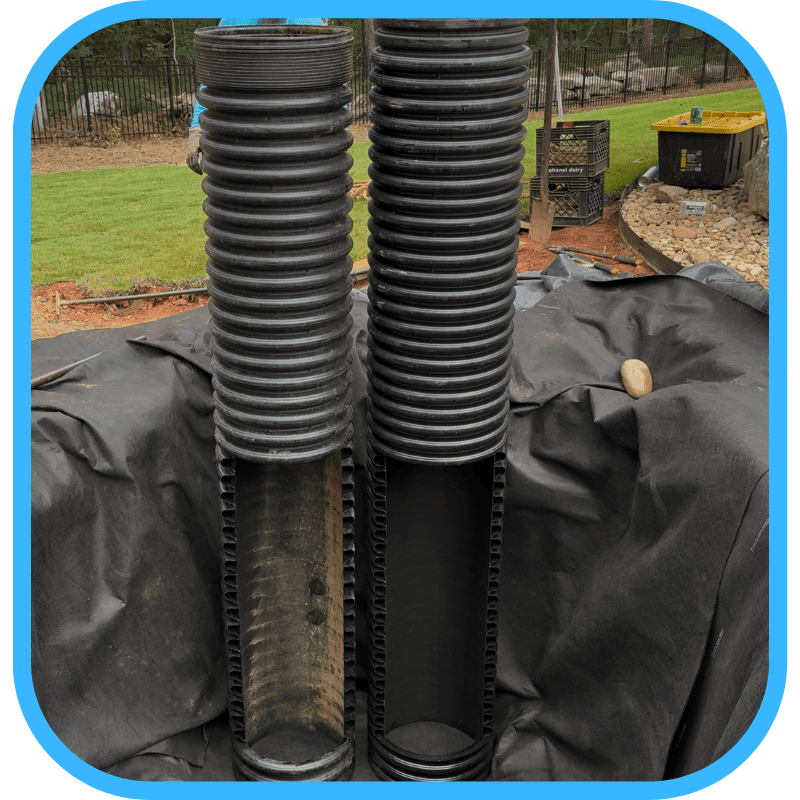
Your filtration system is the heart of your pond.
If it's not maintained:
- it clogs
- water flow slows down
- the system can't function correctly
That leads to:
- poor water quality
- unhealthy conditions
- a breakdown of the ecosystem
Maintenance keeps everything flowing the way it was designed.
4. It Maintains Stable Water Quality
Your pond is a living ecosystem—and it needs balance.
When organic debris builds up:
- fish waste
- leaves
- uneaten food
…it destabilizes the system.
Routine maintenance removes that buildup and keeps everything in balance.
If you ignore it, you'll constantly be fighting water quality issues.
5. It Keeps Your Water Clear
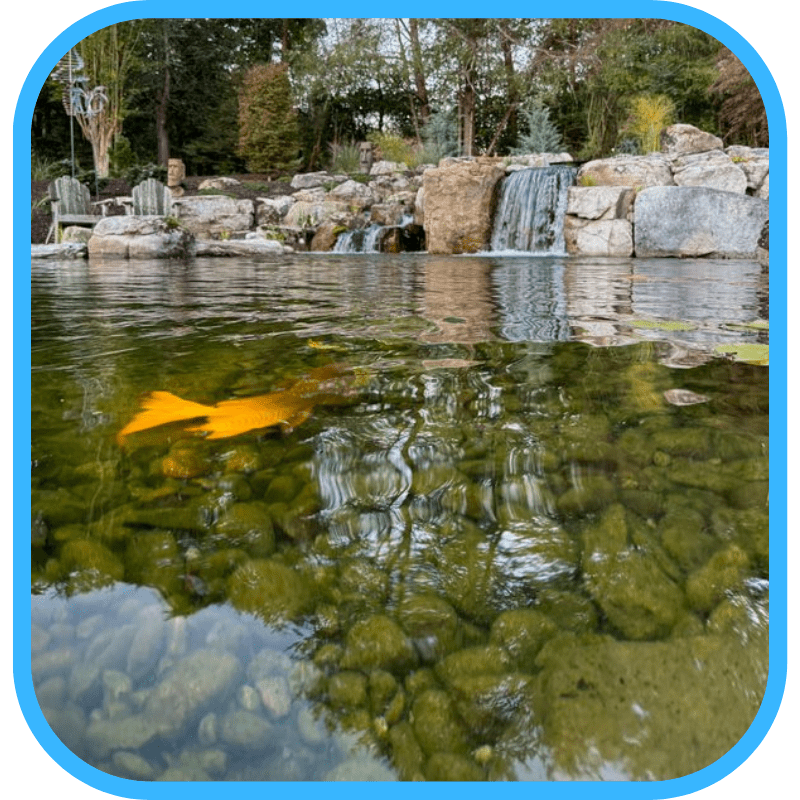
Suspended debris clouds your water.
If you're not removing that material regularly, you'll be dealing with:
- murky water
- poor visibility
- constant frustration
Routine cleaning—especially seasonal clean-outs—helps keep your pond clear and enjoyable.
6. It Reduces Algae Growth
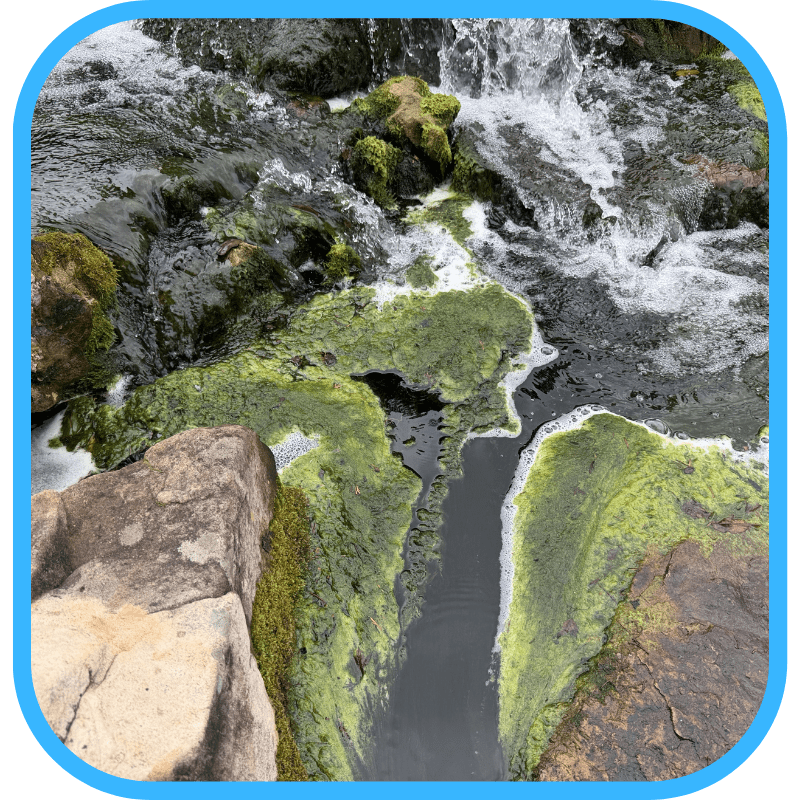
You don't have an algae problem—you have a nutrient problem.
Algae isn't random—it's fueled by excess nutrients.
Those nutrients come from:
- decomposing organic material
- excess waste
- buildup in the system
If you don't control that load, you will be fighting algae constantly.
You can use treatments…
But the best solution is simple:
Remove the source.
Maintenance keeps your ecosystem balanced and dramatically reduces algae blooms.
7. It Prevents Debris Buildup From Getting Out of Control
Organic debris doesn't just sit there—it compounds.
The more it builds up:
- the faster it gets worse
- the harder it becomes to fix
It's exponential.
Ignoring it is like never changing the oil in your car.
Routine maintenance keeps things manageable so you never reach that breaking point.
8. It Improves Fish Health
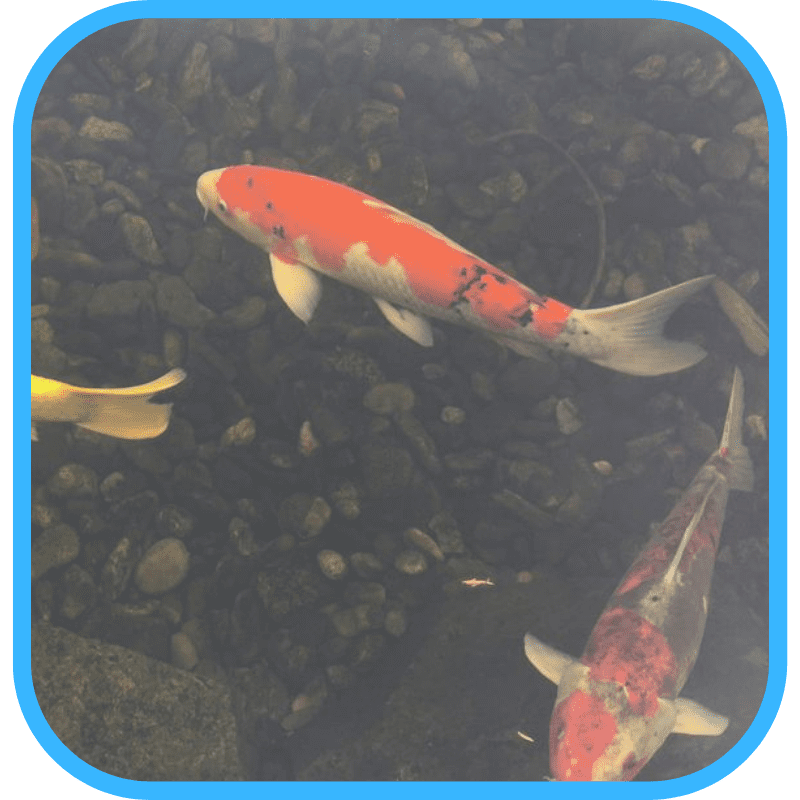
If you have fish, this is critical.
Stable, clean water:
- reduces toxins
- lowers stress
- supports overall health
When maintenance is ignored:
- harmful gases build up
- water quality drops
- fish suffer
Healthy pond = healthy fish.
9. It Prevents Plant Overgrowth and Blockages
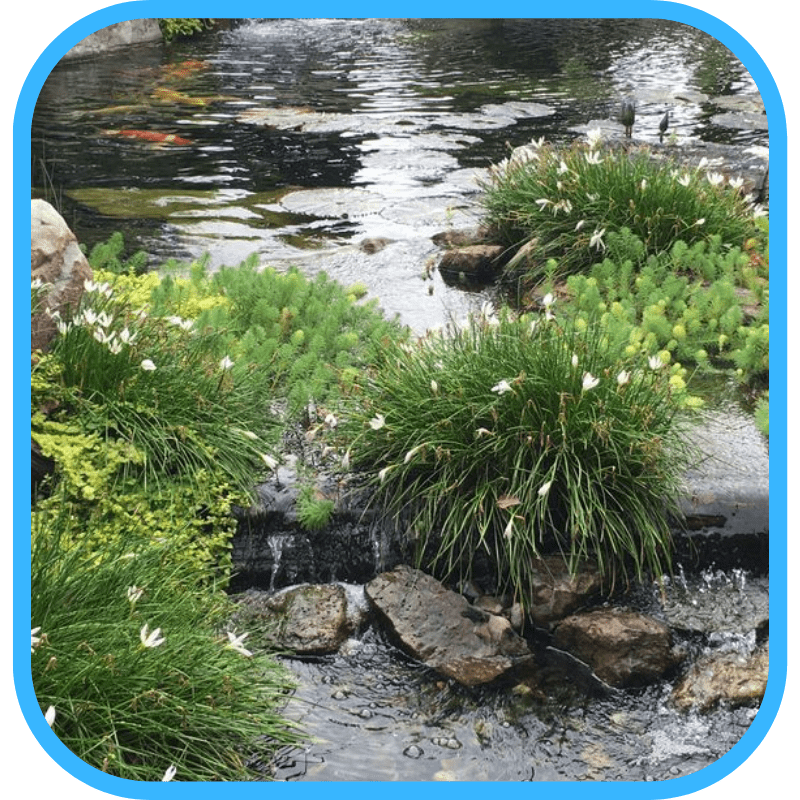
Aquatic plants are essential—but they can get out of control fast.
Without maintenance, they can:
- overtake your pond
- clog streams
- redirect water flow
- even cause leaks
Routine trimming prevents:
- blockages
- overflow issues
- major corrective work later
At this point, you can probably see a pattern forming…
10. It Keeps You From Constantly "Fighting" Your Pond
If you're not maintaining your system, you're always reacting.
Something is always wrong:
- water clarity
- algae
- flow issues
- equipment problems
It becomes a constant battle.
Maintenance flips that.
You move from reactive → proactive.
And everything becomes more predictable.
11. It Creates Predictable Expenses
This is a big one most people don't think about.
With routine maintenance:
- you know what to expect
- you can plan ahead
- costs stay consistent
Without it:
- problems stack up
- repairs get expensive
- costs hit all at once
It's the difference between small, predictable expenses — and large, unexpected ones.
12. It Increases Your Overall Enjoyment

At the end of the day, this is what matters most.
When your pond is maintained, you spend your time:
- enjoying it
- relaxing
- showing it off
Without it, you spend your time:
- fixing it
- stressing about it
- wondering what's going to break next
What Happens If You Don't Maintain a Water Feature?
If routine maintenance is ignored, most water features will eventually experience:
- poor water quality
- algae overgrowth
- equipment failure
- increased repair costs
- reduced overall enjoyment
Maintenance isn't about perfection—it's about preventing these problems before they start.
You are going to pay for maintenance one way or another. The only decision you get to make is how.
You can handle it proactively with small, predictable effort… or reactively with bigger problems, bigger costs, and more frustration.
What We've Seen In the Real World
We've seen this play out many times.
Over a three-year period, we compared:
- clients who did routine maintenance
- vs clients who didn't and came back years later
Here's what we found:
The total cost ended up within about 10% of each other.
But the experience? Completely different.
One group had:
- clear water
- healthy fish
- predictable costs
- zero stress
The other had:
- constant issues
- poor water quality
- struggling equipment
- ongoing frustration
Same money.
Very different experience.
Final Thoughts
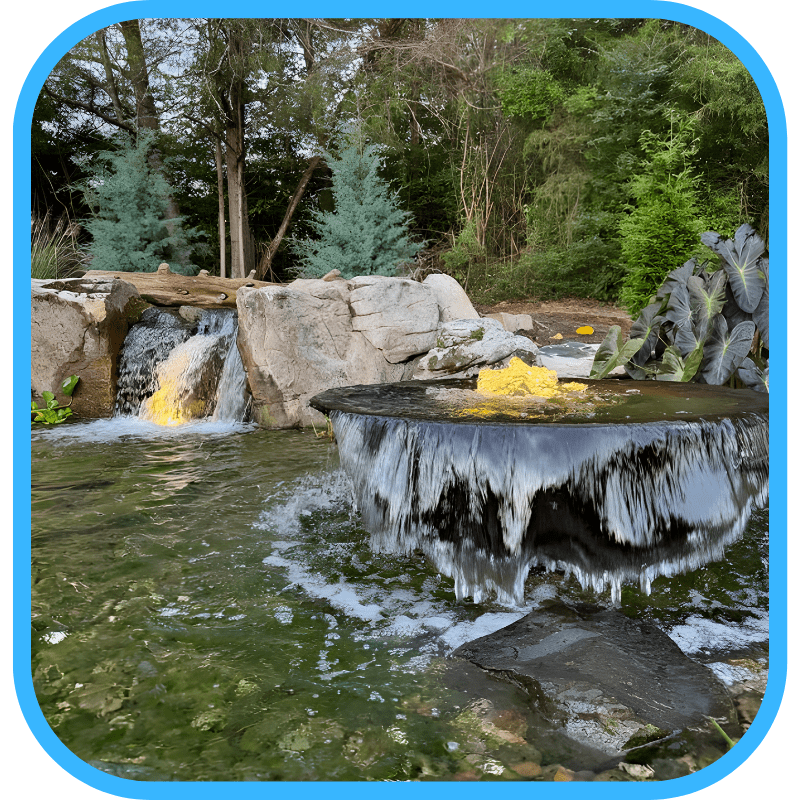
Owning a water feature is an experience.
And that experience is shaped by how you choose to maintain it.
So the real question isn't:
"Do I have to do maintenance?"
It's:
Do you want to enjoy your water feature… or worry about what's going to go wrong next?
If you're not sure what maintenance looks like for your specific water feature, or what your system actually needs, feel free to give us a call or jump online and fill out our contact form.
We'll set up a quick conversation, take a look at your situation, and give you straightforward advice on what we recommend for your particular home.
We're always here to help.
Start a Conversation
No pressure. No used car salesman tactics. Just an honest conversation to see if we're a good fit and to help you end up with the water feature of your dreams.
Contact Us— Tristan Adams
About the Author: Tristan Adams
Tristan Adams is the lead builder and field operations director at Modern Design Aquascaping Inc. — and the guy who actually builds the ponds you see on the channel. Raised around water features his entire life, Tristan grew up learning from his father, John G. Adams, one of the most respected names in the water feature industry. He's been in the field since he was a teenager and now leads the construction team on projects across the country.
Tristan's approach is simple: do it right the first time, use the biggest rocks you can manage, and never cut corners on the details that matter. His work speaks for itself — and his growing presence on the Modern Design Aquascaping YouTube channel is helping a new generation of pond enthusiasts learn what great craftsmanship actually looks like.
Whether he's on a job site, shooting content, or answering questions from homeowners, Tristan's mission is the same as the company's: to educate, inspire, and help people end up with the water feature of their dreams.