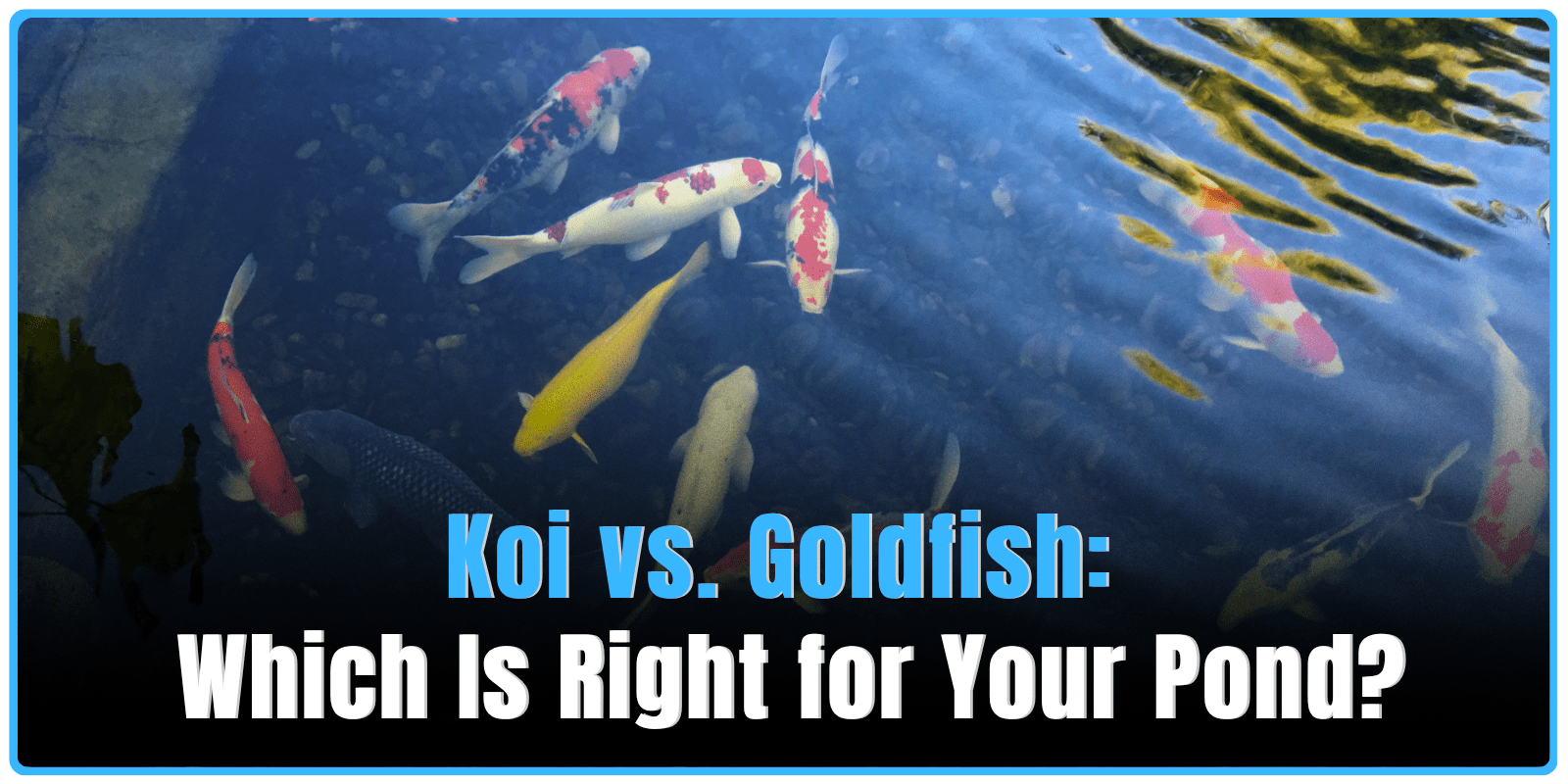
Quick Overview: Koi vs. Goldfish
- Koi grow larger and live longer — sometimes 20–35+ years
- Goldfish are hardier, cheaper, and easier to manage
- Both thrive in a well-built ecosystem pond
- You can mix them — with the right setup
- The right choice depends on your goals, your budget, and your lifestyle
If you remember nothing else: both are great fish. The question is which one is great for YOU.
Jump to a Section
Guys, this is one of the questions I get asked all the time.
And honestly? It's a great question.
Because the answer isn't as simple as most people think.
Let's break it down — the real differences, the real trade-offs, and how to figure out which one actually belongs in your pond.
What's the Difference Between Koi and Goldfish?
They're More Similar Than You Think
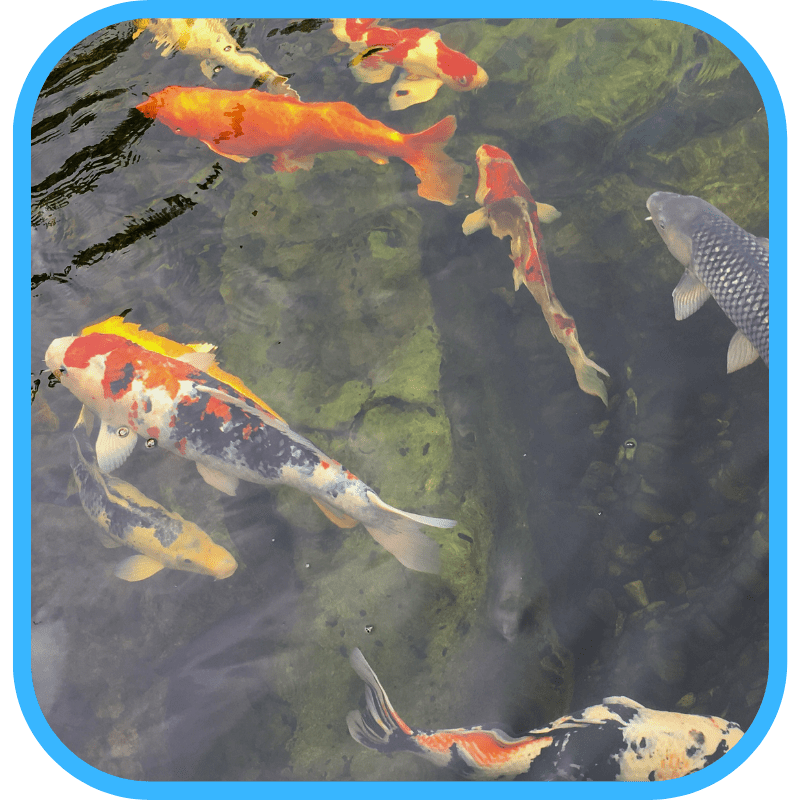
Here's something most people don't know: koi and goldfish are both carp. They're related. They both love gravel, they both forage the bottom, and they both thrive in a natural ecosystem pond environment.
But they are not the same fish.
Koi — the fancy, colorful ones you see in high-end pond photos — are Cyprinus rubrofuscus. Goldfish are Carassius auratus. Different species. Different needs. Different price tags.
The most important difference, in my opinion, is size.
How Big Do They Get — and Why Does It Matter?
A standard goldfish in a good pond environment can reach 8–14 inches. That's a healthy, beautiful fish.
Koi? A well-fed koi in a great pond can reach 24–36 inches. Some go even bigger.
That size difference matters for everything.
It matters for how much water they need. It matters for how much waste they produce. It matters for how big your filtration system needs to be. And it matters for how much they cost to buy and feed.
I tell people all the time — koi are aquatic cows. They're big, they're hungry, and they need room to roam.
Goldfish, on the other hand, are a more manageable commitment. You can keep a beautiful school of goldfish in a 200–300 square foot pond and they'll thrive. Doing the same with large koi would stress the system and stress the fish.
If you know you want large koi — and I mean 24-inch-plus show-quality koi — plan your pond around that from day one. A minimum of 1,000 gallons is commonly cited, but for truly large koi, I'd want more. Don't build a small pond and try to squeeze big fish in. You'll end up rebuilding.
Which Is Easier to Care For?
Goldfish Are More Forgiving
I'm going to be straight with you here.
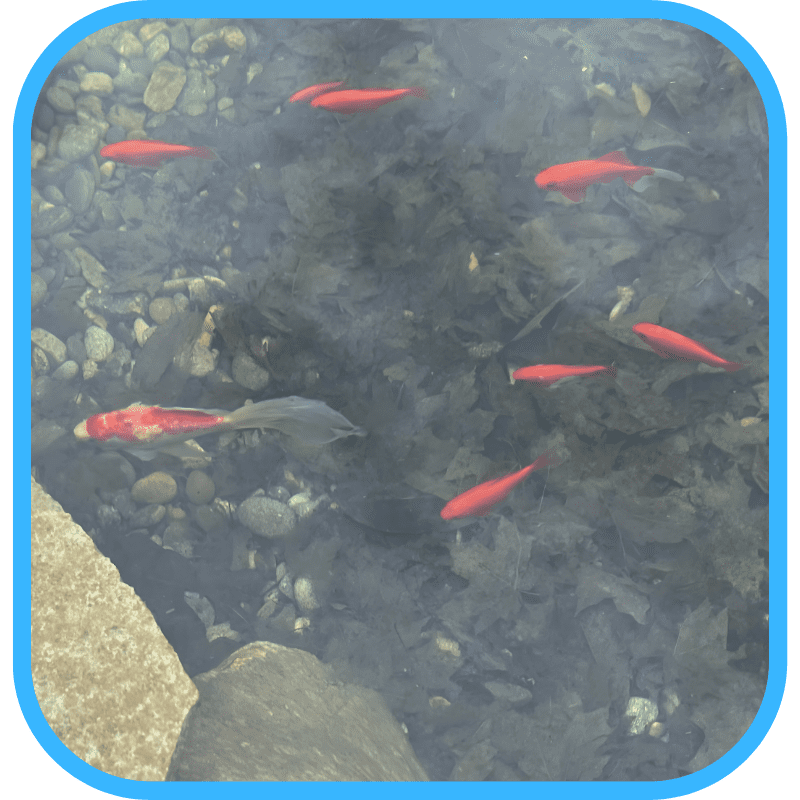
Goldfish are tougher. They're more tolerant of water quality fluctuations. They can handle a wider range of temperatures. They're less prone to disease than koi, and when something does go wrong in the pond, goldfish tend to bounce back faster.
That doesn't mean goldfish are maintenance-free. No pond is. But if you're newer to pond ownership, if you're not ready to invest heavily in filtration and water testing, or if you just want a beautiful pond with fish in it without the complexity — goldfish are a genuinely smart choice.
Koi are more sensitive. They need excellent water quality to thrive. Ammonia spikes, low oxygen, high nitrates — koi feel all of that faster than goldfish do. And because they live so long — we're talking 20, 30, sometimes 40 years — you're making a serious commitment when you bring koi home.
The Cost Difference Is Real
A nice comet goldfish or shubunkin? You might pay $5–15 at a local pond store.
A quality koi? Anywhere from $25 for a decent fish all the way up to hundreds — or even thousands — for a high-grade pedigreed Japanese koi.
I've bought koi for free. I've also flown to Japan and paid $3,000 each for pedigreed fish that I'd never part with.
The point is, with koi, the ceiling is basically unlimited. With goldfish, you can build a beautiful, living, thriving pond ecosystem for a very reasonable budget.
One of the most common mistakes I see is overfeeding. Uneaten food breaks down and drives nutrient levels sky-high, which feeds algae and stresses fish. Feed only what your fish will consume in 3–5 minutes, and during hot summer months, feed less. Their metabolism slows in heat, and excess food is the enemy of water clarity.
Which Is Better for an Ecosystem Pond?
Honestly? Both
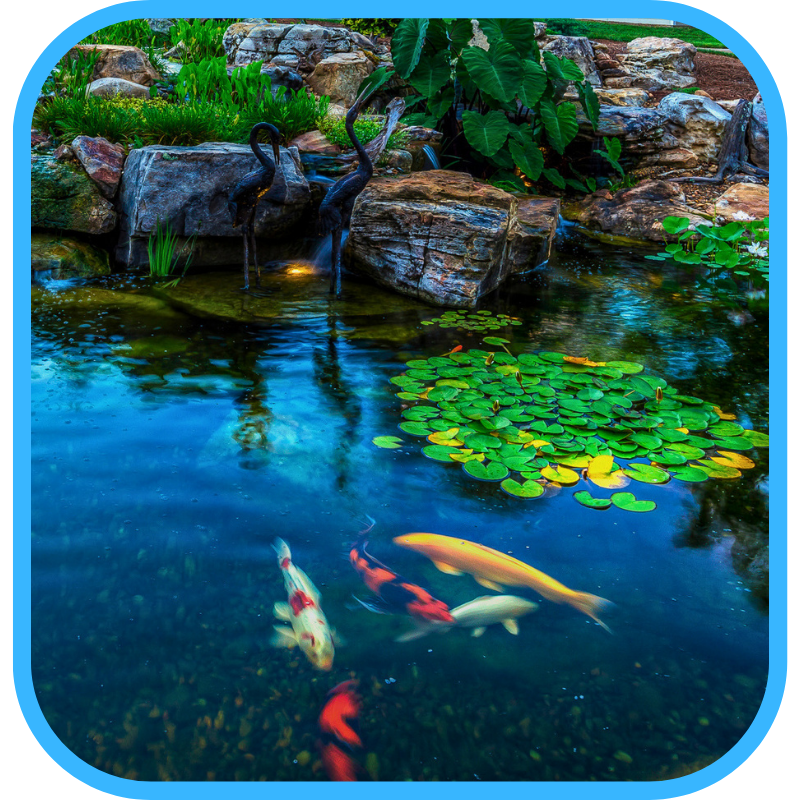
I want to push back on the idea that one fish is inherently "better" for an ecosystem pond than the other.
Both koi and goldfish are bottom-feeders. Both stir up the gravel, which helps keep debris moving toward your filtration. Both produce waste that feeds your beneficial bacteria. Both interact with the ecology of the pond.
The difference is scale.
A pond with goldfish can be a perfectly balanced, low-maintenance ecosystem. A pond with large koi requires more robust filtration and more attentive management — but when it's done right, it's one of the most jaw-dropping things you'll ever see in a backyard.
My recommendation? Be honest with yourself about what you want and what you're ready for.
Do you want a beautiful, easy-going pond that almost runs itself? Goldfish.
Do you want massive, intelligent fish that recognize your face and come to you when you walk outside? Koi.
Both are right. It just depends on who you are.
Can Koi and Goldfish Live Together?
Yes — With a Few Things to Keep in Mind
The short answer is yes. Koi and goldfish can absolutely coexist in the same pond, and many of our clients have both.
The things to watch for:
- Make sure the pond is large enough to support both species at their eventual adult sizes
- Don't overcrowd — the combined fish load matters for your filtration system
- Be aware that koi can outcompete goldfish for food, so make sure everybody's getting their share
- Goldfish tend to reproduce more prolifically — you may end up with more fish than you planned for
In general though, they get along well. I've seen ponds with dozens of goldfish schooling alongside big, slow koi, and it looks absolutely incredible.
The diversity adds life to the pond. Different sizes, different colors, different movement patterns. It becomes a real living ecosystem — not just a fish tank with rocks.
Depending on where you live, there are native fish species that can thrive beautifully in an ecosystem pond. I have native rainbow darters in my own wetland filter that reproduce naturally. Before you default to koi or goldfish, it's worth asking a local aquatic expert whether native species might be a great fit for your environment.
Frequently Asked Questions About Koi vs. Goldfish
Do koi really recognize their owners?
How long do koi live?
Can goldfish survive a pond winter?
How many fish can my pond support?
Closing Thoughts
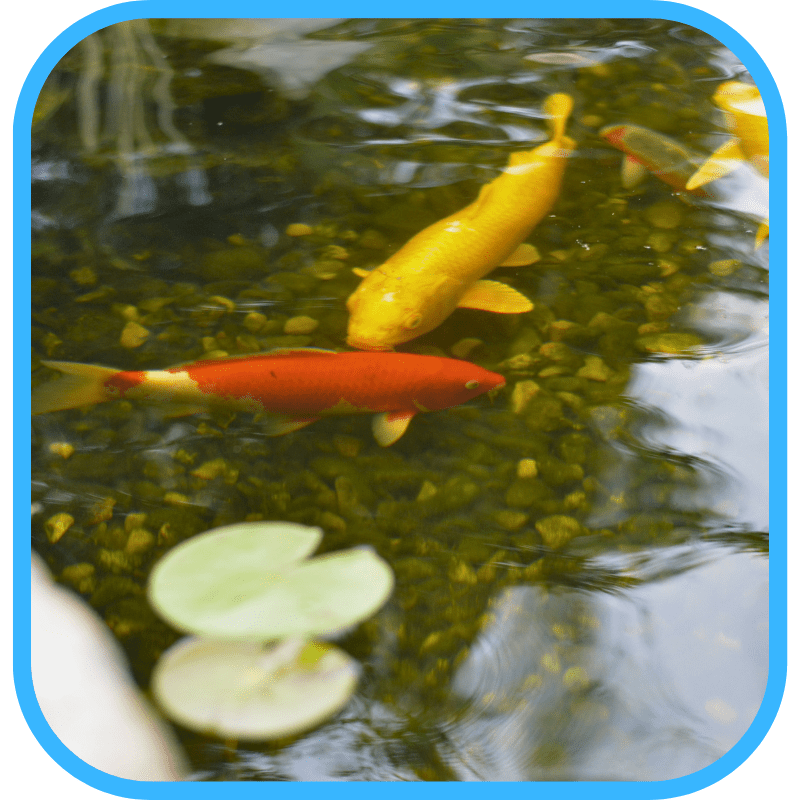
Whether you go koi, goldfish, or both — you're making a decision that's going to bring life, movement, and joy into your outdoor space.
There's no wrong answer. There's just the right answer for you.
Figure out what kind of pond owner you want to be, size your pond and filtration accordingly, and then go enjoy the journey. That's what it's all about.
John G. out.
Start a Conversation
No pressure. No used car salesman tactics. Just an honest conversation to see if we're a good fit and to help you end up with the water feature of your dreams.
Contact Us— John G. Adams